

Blog
Notes on calcium carbonate.
Practical guides for buyers, agronomists and process engineers working with natural oolitic aragonite.
Latest articles
From the AragoCor team.

Buying calcium carbonate in bulk: a guide for industrial buyers
Calcium carbonate is one compound and many products. What to specify, how to compare offers and how to qualify a new source, with a guide for each industry.
Read the article →
How to read a calcium carbonate data sheet and COA
Two sheets can print the same number and mean different things by it. The status beside a figure tells you whether it describes a sample, a range or a guarantee.
Read the article →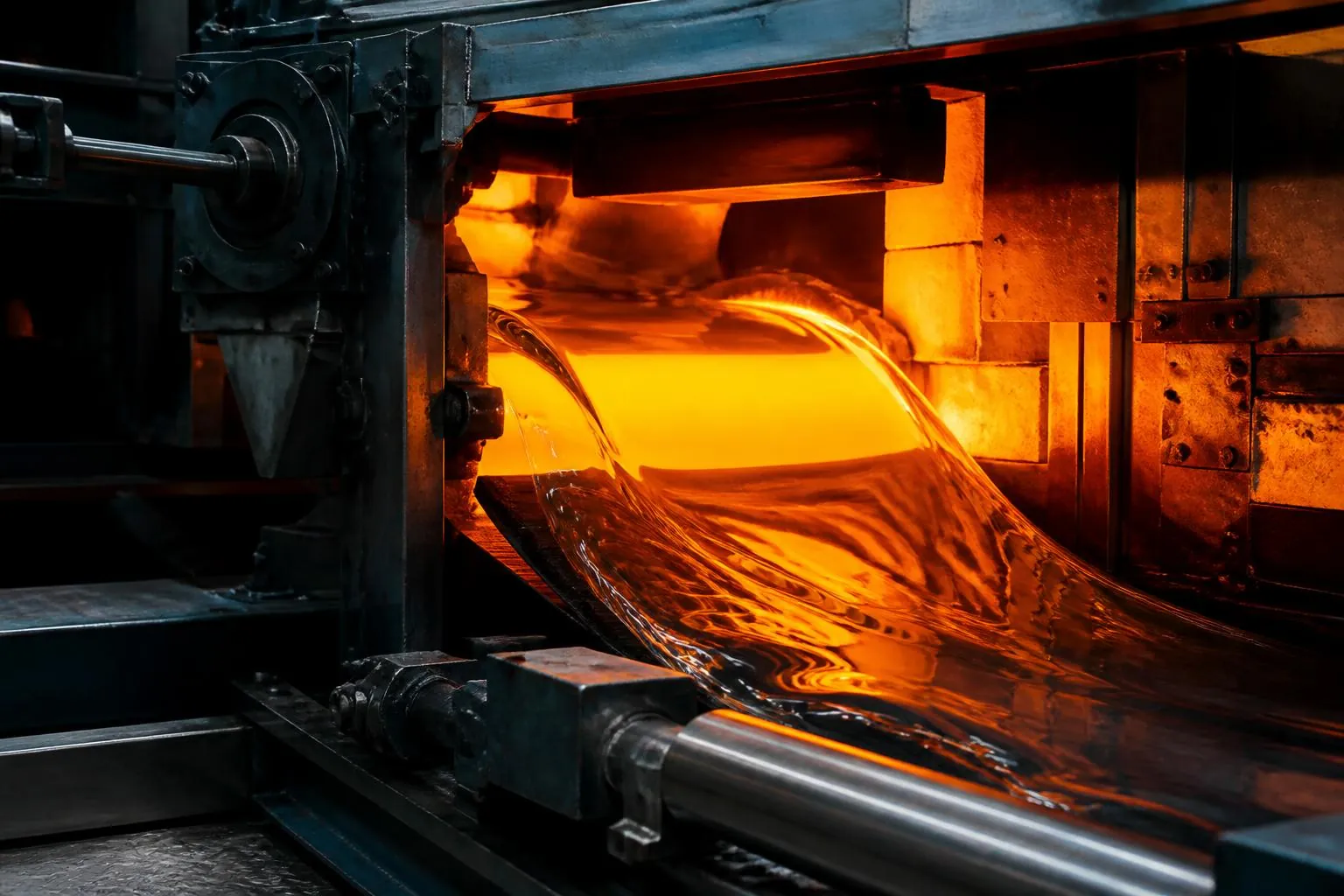
Glass-grade limestone specifications
Iron, the calcium basis, loss on ignition, moisture and sizing decide whether a calcium carbonate works in a batch house. What to specify, and what to ask a new source.
Read the article →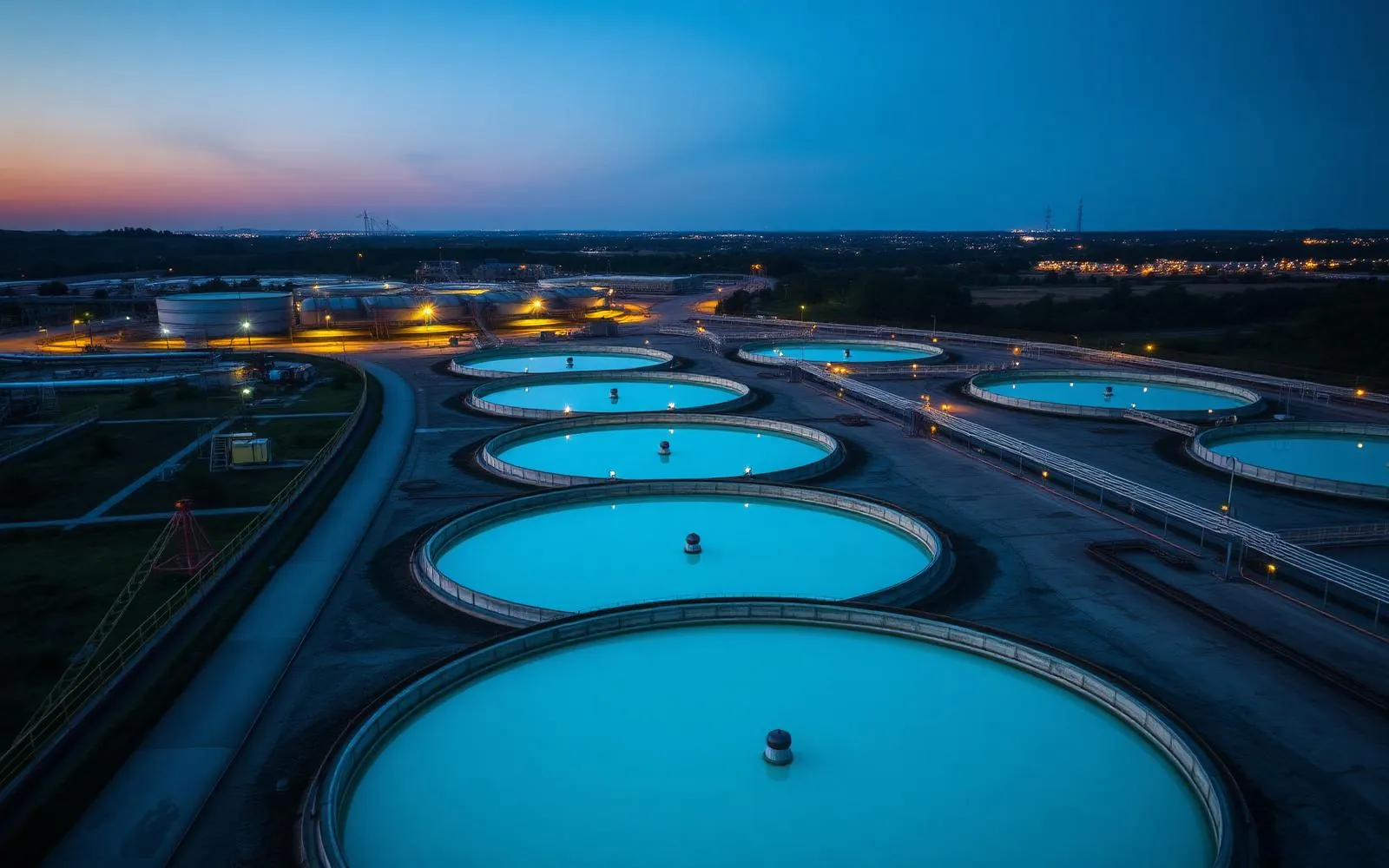
Calcite vs. aragonite contactor media
Both dissolve to add calcium and alkalinity to aggressive water. Aragonite is the more soluble polymorph; what that means in a contactor is something to measure.
Read the article →
Calcium carbonate equivalent (CCE) and fineness
CCE says how much acidity a liming material can neutralize; fineness says how fast. How the two combine, and how to compare products on what they deliver.
Read the article →
Feed limestone: calcium, particle size and specification
Calcium content gets the attention, but particle size, moisture, contaminant limits and documents decide whether a calcium carbonate works in a ration.
Read the article →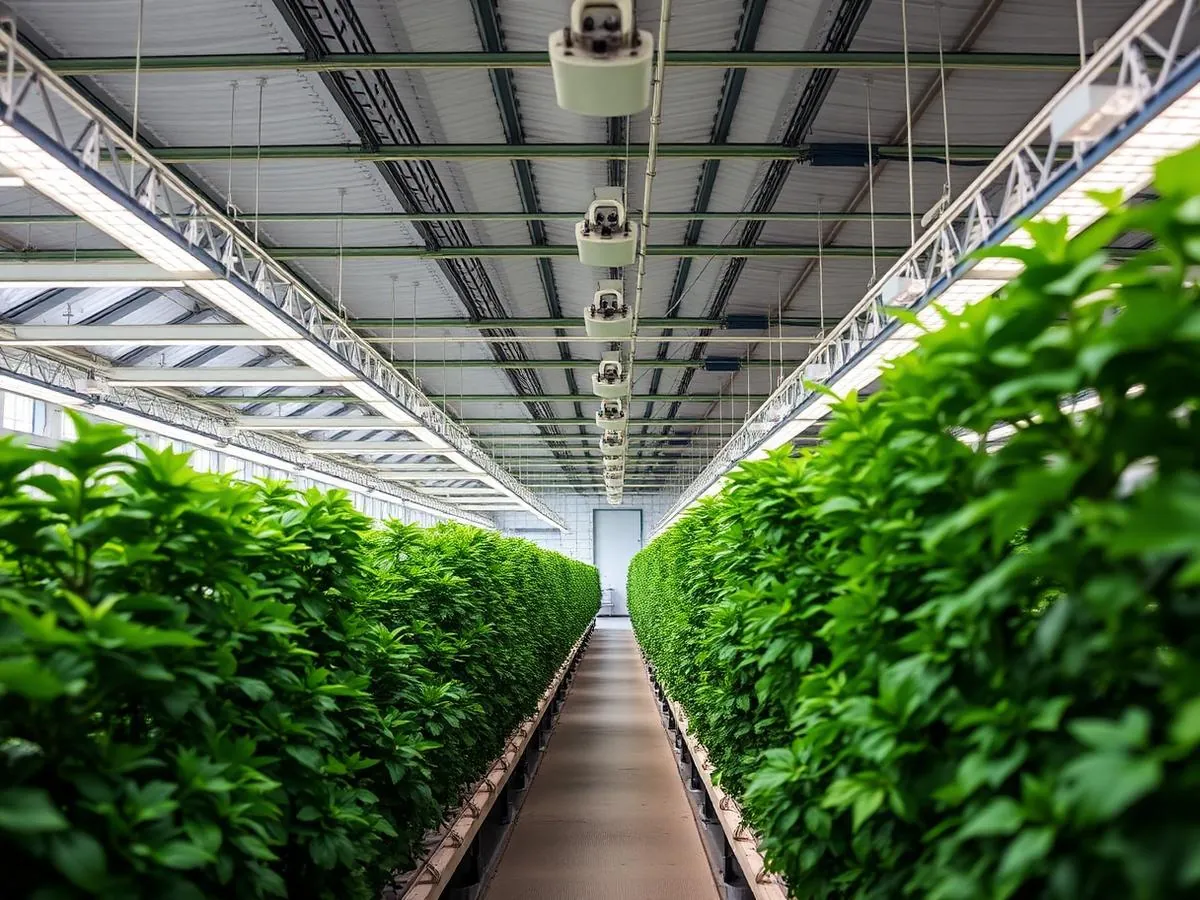
Calcitic vs. dolomitic lime in growing media
Both raise substrate pH. They differ in magnesium, in how fast they react and in how long they last, and particle size is the lever formulators use on all three.
Read the article →
Choosing an aragonite grade
The four grades share one material and one measured composition. What separates them is particle sizing, so the right grade starts from the application and the equipment.
Read the article →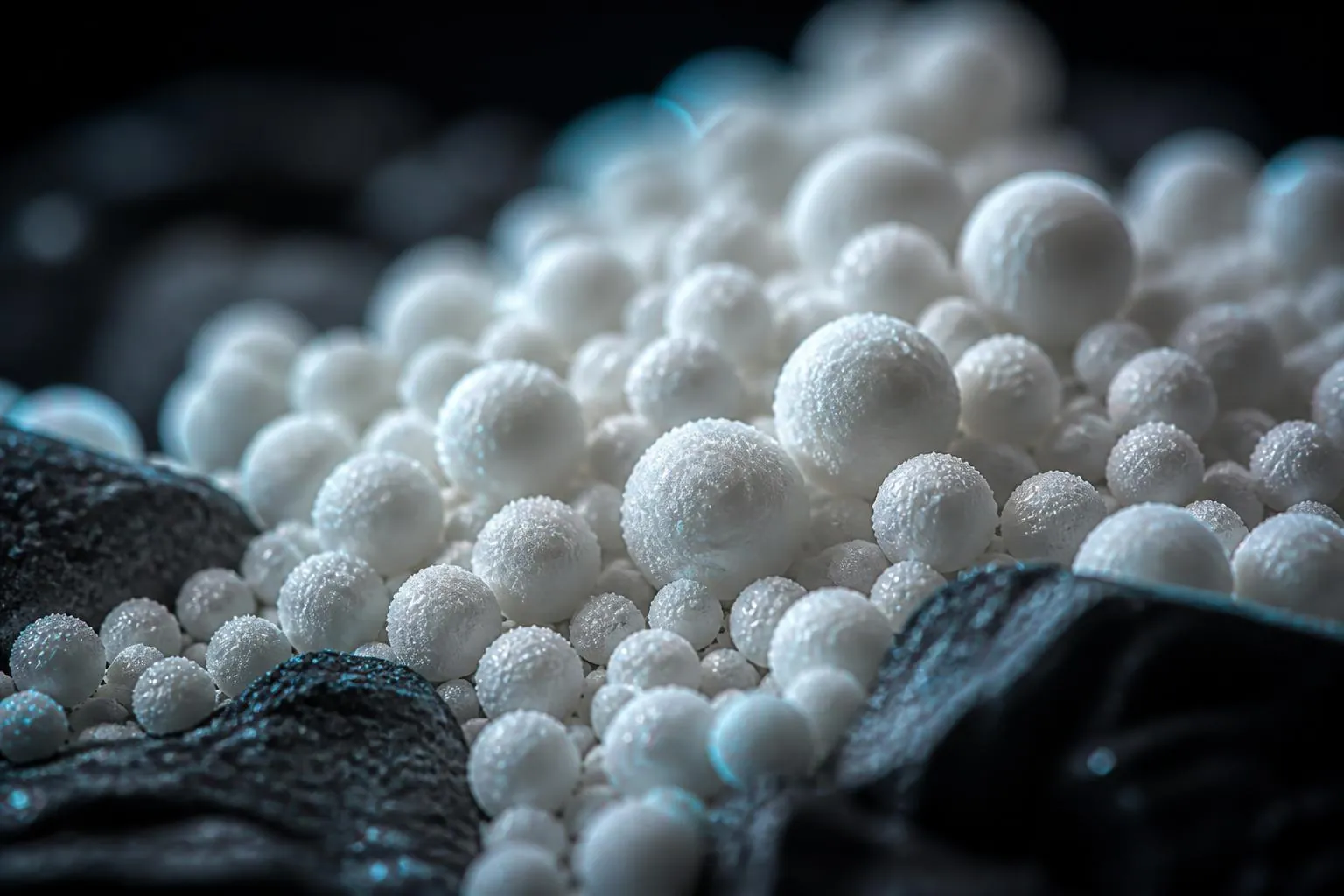
Aragonite vs. calcite
Both are CaCO3. The crystal structure differs, and that shows up in solubility, density, hardness and grain shape — with limits on what it proves by itself.
Read the article →